Đang tải...
As technology advances and the demand for higher-quality office environments grows, a conference room sound system has become an indispensable component of modern enterprises. A professionally designed sound system not only delivers clear audio but also creates a comfortable atmosphere, thereby improving meeting efficiency and participant satisfaction. This article outlines key design principles, application scenarios, and essential considerations to help you build an efficient and comfortable conference room environment.
.jpg "/uploads/image/2025/06/05/sound-system-for-conference-room (2).jpg")
System Configuration
A standard conference room sound system typically consists of several key components:
Power amplifier – the core of the system, responsible for driving the speakers.
Mixer – used to balance audio signals and adjust sound effects for optimal performance.
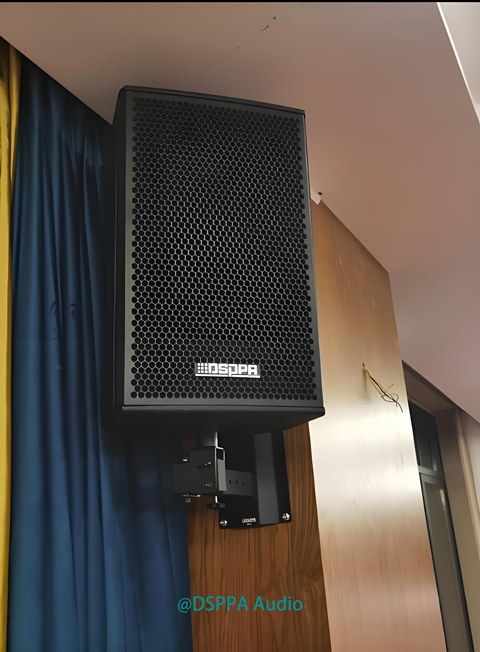
Speakers – the output devices selected according to room size and layout.
Cables – ensure stable signal transmission between components.
System Layout
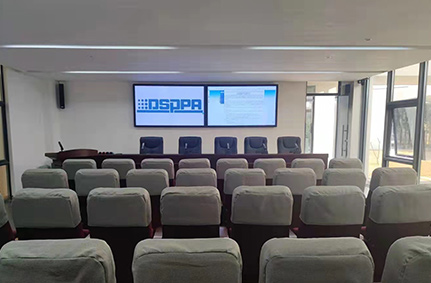
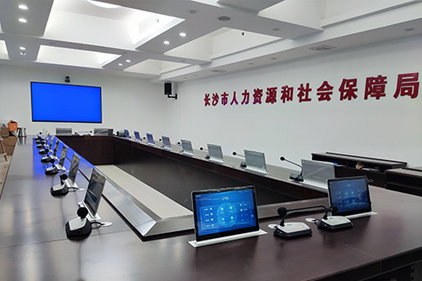
The layout should be tailored to the room’s dimensions, shape, and expected number of attendees. Generally, the amplifier and mixer are placed on one side of the conference table for easy access, while speakers can be wall-mounted, ceiling-suspended, or placed under the table.
Key points include:
Avoid excessive distance between speakers to prevent sound dispersion issues.
Protect the speakers from direct sunlight to maintain performance and longevity.
System Tuning
Tuning is crucial for optimal system performance. Each component's volume and sound effects must be carefully adjusted to meet the specific needs of the meeting. Signal lines should also be inspected to ensure high-quality transmission and system stability.
.jpg "/uploads/image/2025/06/05/sound-system-for-conference-room-(1).jpg")
Business Meetings
For business meetings, where collaboration between departments is common, the sound system must deliver clear and realistic voice communication, often with light background music to foster a relaxed yet professional atmosphere.
Training Sessions
Training sessions require high speech intelligibility to ensure that instructors can be clearly heard. Additional tools such as microphones and sound feedback monitors can enhance teaching effectiveness and learning outcomes.
Seminars and Workshops
For discussion-focused events, the sound system should provide high audio fidelity to allow all participants to express their views clearly. Stage effects such as ambient lighting and background music can also enhance the overall experience and engagement.
Selecting the Right Equipment
Choose equipment that fits the specific meeting type:
For business meetings: prioritize high-clarity microphones and speakers with good noise control.
For training: use microphones with excellent pickup range and clear audio output.
For seminars: choose a system that provides rich sound quality and integrates well with stage lighting or other effects.
Ensuring Proper Ventilation
Audio equipment generates heat during use. Without adequate ventilation, overheating can occur. Ensure the installation site allows for heat dissipation, and perform regular maintenance checks to prevent equipment failure.
Following Proper Usage Guidelines
To ensure the longevity and stability of the sound system:
Avoid pointing microphones directly at people.
Do not direct speakers toward participants' ears.
Use lighting appropriately to avoid glare or discomfort.
In summary, a conference room sound system plays a critical role in modern business operations. With proper design, installation, and maintenance, it can greatly enhance communication efficiency and overall meeting quality—contributing to a more productive and professional corporate environment.